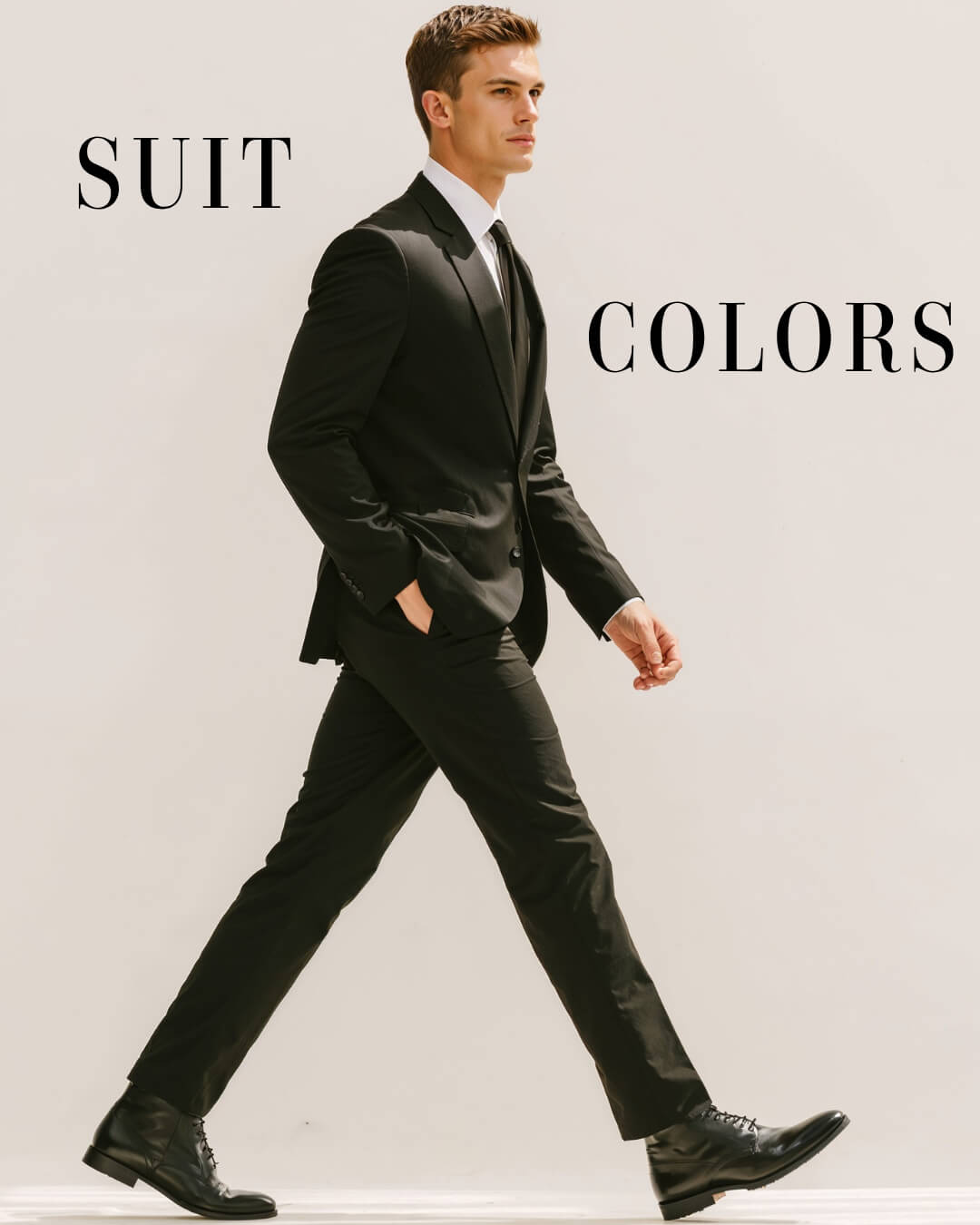
Confusing Suit Colors – Start With Versatile Neutral Shades
Suit color becomes easier when you build from neutrals instead of chasing every seasonal shade. Navy and charcoal are dependable because they work across offices, weddings, dinners, and formal daytime events with many shirt and shoe combinations. Mid-gray adds flexibility, while black has a narrower traditional role in many wardrobes. Once the neutral foundation is covered, lighter blue, brown, tan, olive, or patterned suits become easier to use because they no longer have to handle every occasion. For additional perspective on clothing and presentation, suit color inspiration can be useful alongside your own fit checks and try-ons.
Five Providers for Building a Neutral Suit Rotation
Suit retailers differ in cut, fabric, and level of customization, but color planning should come before brand loyalty. A small wardrobe of versatile neutral suits can create more combinations than several distinctive suits that only work in narrow situations.
1. INDOCHINO
INDOCHINO focuses on made-to-measure menswear, including custom suits, tuxedos, dress shirts, office suits, and wedding suits. Its process can be started online or through showroom appointments, so it is most relevant when off-the-rack proportions keep creating the same fit problem. That provides a practical way to compare versatile neutral tailoring before experimenting with bolder colors.
2. The Black Tux
The Black Tux rents and sells suits and tuxedos through online and in-store channels. It is most useful for men who need formalwear for a specific event and want to compare complete looks without building an entire formal wardrobe at once. For this topic, that provides a practical way to compare versatile neutral tailoring before experimenting with bolder colors.
3. J.Crew
J.Crew’s men’s essentials cover chinos, suiting, Oxford shirts, denim, T-shirts, knitwear, and outerwear. The range is useful for building coordinated basics because the same wardrobe can move from casual weekends to work or dinner with relatively small styling changes. In practical terms, that provides a practical way to compare versatile neutral tailoring before experimenting with bolder colors.
4. Bonobos
Bonobos builds much of its menswear around distinct fit options and carries pants, jeans, shirts, blazers, and suits. Its slim, athletic, and tailored fit choices give shoppers a clearer starting point when the main problem is excess fabric, taper, or proportion. For a shopper comparing options, that provides a practical way to compare versatile neutral tailoring before experimenting with bolder colors.
5. Ralph Lauren
Ralph Lauren’s men’s range spans traditional tailoring, modern-fit and unstructured jackets, suits, tuxedos, knitwear, polos, and casual pieces. The breadth makes it useful when the goal is to compare how one style language can move between formal and relaxed dressing. Within this kind of wardrobe problem, that provides a practical way to compare versatile neutral tailoring before experimenting with bolder colors.
How to Choose Neutral Suit Colors First
Think about the events you attend most. Navy works easily with brown or black footwear, while charcoal pairs naturally with black and many dark-brown tones. Mid-gray can move from business to social settings with a shirt or tie change. Lighter suits are excellent in warm weather but can feel less versatile in conservative offices. Compare colors in daylight whenever possible because navy can read almost black indoors, and gray undertones shift under artificial light. The useful question is not which color looks most exciting on a rack; it is which color works with the shirts, shoes, and occasions you already have. It can also help to compare formal outfit inspiration when you want a wider visual reference before deciding what to alter, replace, or combine differently.
Frequently Asked Questions
What suit color should a man buy first?
Navy and charcoal are common first choices because they work with many shirts, ties, and shoes and can cover a wide range of business and social occasions.
Is black a versatile everyday suit color?
It can work, but navy and charcoal are often easier for daytime business and flexible styling. Black is commonly associated with more formal or evening-oriented looks.
When should I add a lighter suit?
After your core formal needs are covered. Light gray, tan, or lighter blue can be excellent for warm weather, daytime events, and less conservative settings.
Let Neutral Suits Do the Heavy Lifting
Suit color should reduce decisions, not create more of them. Build a neutral base that handles most occasions, then add personality through fabric, shirts, ties, and later suit purchases. If you want more examples to compare at your own pace, suit styling references can provide another style reference without changing the need to judge fit on your own body.